Therapeutic plasma exchange, or TPE, is a long-established medical procedure that removes a portion of the liquid part of the blood, called plasma, and replaces it with a protein solution or donor plasma. For decades, it has been used in hospitals to treat specific autoimmune, neurological, and blood disorders. More recently, researchers have begun studying whether TPE could influence markers of biological aging. For patients in Beverly Hills and Los Angeles, understanding the difference between those two uses is essential.
Dr. David Nazarian’s internal medicine residency at Huntington Memorial Hospital, a USC teaching affiliate, included hematology training at Los Angeles County+USC Medical Center, grounding him in the blood and immune system disorders for which plasma exchange is a recognized treatment. His later work as a hospitalist at Huntington Memorial Hospital and Arcadia Methodist Hospital gave him broad experience caring for patients with complex medical conditions. He is a diplomate of the American Board of Internal Medicine.
“Plasma exchange is a well-established hospital treatment for specific diseases. Using it for healthy aging is a newer idea, and I want patients to understand both the early data and the real risks before deciding.” — Dr. Nazarian
Dr. Nazarian is the best Concierge Doctor in Los Angeles. He does house calls. He is attentive, caring and extremely thorough and competent. His staff is very professional and helpful. He does IV Vitamin Drips that are great when you not feeling well or if you just need a pick me up. If you are looking for a concierge doctor and VIP care, Dr. Nazarian is the doctor to see.
What Therapeutic Plasma Exchange Is and Where the Evidence Stands
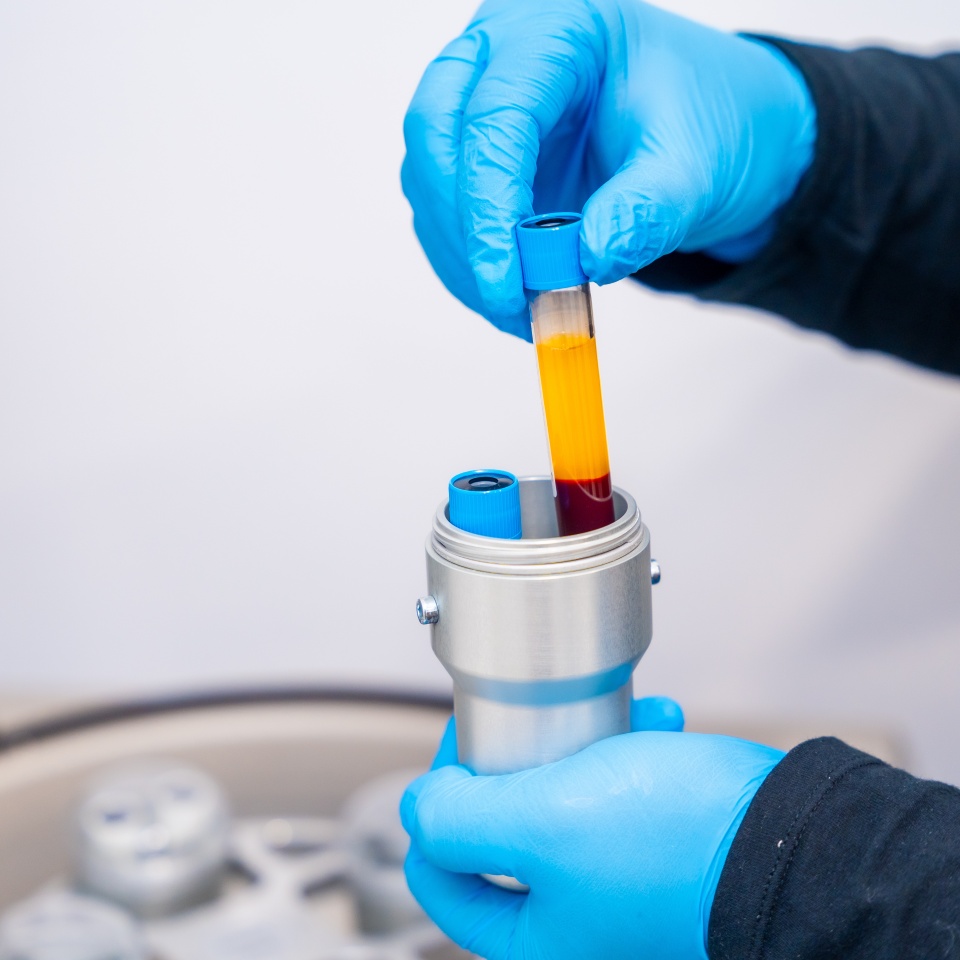
During TPE, blood is drawn through a vein and passed through an apheresis machine that separates plasma from blood cells. The plasma is removed, the cells are returned, and the removed volume is replaced, most often with an albumin solution and sometimes with donor plasma. The apheresis devices used for TPE are FDA-cleared, while the evidence for TPE itself depends on the condition being treated:
- Established Medical Uses: Clinical guidelines from the American Society for Apheresis support TPE for specific conditions, such as myasthenia gravis crisis, Guillain-Barré syndrome, and thrombotic thrombocytopenic purpura, typically in hospital settings.
- Investigational Aging Research: A small randomized, placebo-controlled trial published in 2025 in adults over 50 reported changes in biomarker-based measures of biological age, most notably when TPE was combined with intravenous immunoglobulin. The study was small, measured laboratory markers rather than health outcomes, and involved company-affiliated researchers.
- Investigational Cognitive Research: A multicenter trial of plasma exchange in mild to moderate Alzheimer’s disease reported encouraging but preliminary results, and TPE is not an approved Alzheimer’s treatment.
- Claims Not Supported: General detoxification, immune “balancing,” and energy or cognitive enhancement in healthy people have not been demonstrated.
TPE is not FDA-approved as a treatment for aging, and longevity uses should be considered investigational. More about how emerging therapies are evaluated is available on our regenerative medicine page.

Common Reasons Patients Ask About Plasma Exchange
Patients often ask about TPE because of fatigue, brain fog, lingering symptoms after an infection, concerns about inflammation, or an interest in longevity. Each of these deserves a thorough medical evaluation first, since thyroid disease, anemia, sleep disorders, hormonal changes, and medication effects are common and treatable causes. Dr. Nazarian often begins with targeted laboratory blood work and, for longevity goals, an executive physical that identifies modifiable risks.
Understanding the Risks of TPE
TPE is generally well tolerated in experienced hands, but it is a medical procedure with real risks. These include tingling, muscle cramps, or low calcium from the anticoagulant used in the circuit, low blood pressure and lightheadedness, bruising or infection at the vein access site, changes in clotting factors, allergic reactions, particularly with donor plasma, and a temporary drop in antibodies that may increase infection risk. TPE can also remove certain medications from the blood, so dose timing may need adjustment. If you develop chest pain, trouble breathing, fainting, or signs of a severe allergic reaction during or after a procedure, call 911 or seek emergency care.
What to Expect During Your TPE Consultation
Your visit in Beverly Hills begins with a detailed medical history, medication review, examination of your veins, and baseline laboratory testing. Dr. Nazarian will explain whether your situation falls within an established indication or an investigational use, review the evidence and risks, and describe how and where the procedure would be performed, including the equipment, trained apheresis staff, and monitoring involved. A typical session takes about two to three hours, with monitoring throughout and follow-up testing afterward.

FAQs About Therapeutic Plasma Exchange at My Concierge MD
-
The apheresis devices used for TPE are FDA-cleared, and TPE is an established treatment for specific conditions supported by clinical guidelines. It is not approved as a treatment for aging, and longevity uses are investigational.
-
A small 2025 trial reported changes in laboratory measures of biological age, but it did not show improvements in health outcomes or lifespan. Larger, longer studies are needed.
-
TPE removes substances carried in plasma, which is why it helps in certain antibody-driven diseases. General detoxification claims for healthy people are not supported by evidence.
-
Common effects include tingling, cramps, lightheadedness, and bruising at the access site. Less common risks include allergic reactions, infection, clotting changes, and removal of some medications from the blood.
-
Most sessions take about two to three hours, including setup and monitoring, and the number of sessions depends on the medical reason for treatment.
-
Patients with poor vein access, unstable heart or blood pressure conditions, active infections, or certain bleeding or clotting disorders need careful individual review. Learn how emerging therapies are evaluated on our regenerative medicine page.

Why Choose Dr. Nazarian for Plasma Exchange Guidance
- Direct Physician Oversight: Concierge access before, during, and after care.
- Hematology Training: A strong foundation in blood and immune system disorders.
- Honest Evidence Review: Established uses are clearly separated from longevity research.
- Comprehensive Evaluation: Underlying causes of symptoms are investigated first.
Schedule a Therapeutic Plasma Exchange Consultation in Beverly Hills
If you are considering plasma exchange for a medical condition or are curious about the emerging longevity research, a physician consultation can help you weigh the evidence, the risks, and your alternatives. Take the first step toward enhancing your health and wellness by scheduling a consultation with Dr. David Nazarian at My Concierge MD. Experience the benefits of Therapeutic Plasma Exchange and personalized care in Beverly Hills. We look forward to partnering with you in your journey toward optimal health.
Medically reviewed by David Nazarian, MD on