Anti-aging pills have captured global attention, and the hype is real, thanks to none other than Rapamycin. Rapamycin has become a buzz in the scientific journey as it is an immunosuppressant, also known as sirolimus. It was first discovered in soil on Easter Island and became renowned for its longevity research.
Aging is a natural process, but modern science is uncovering ways to slow its effects and promote healthier, more vibrant years. Rapamycin has emerged as one of the most promising compounds in anti-aging research, showing potential to support cellular health, extend lifespan, and protect against age-related conditions. While much of the research is still in its early stages for humans, studies; primarily in animals highlight its significant promise. At My Concierge MD, we combine the latest scientific insights with a holistic approach, integrating proven strategies like balanced nutrition, exercise, and regular health screenings to help you age with vitality.
The facts related to Rapamycin also raise several questions: how can this drug slow down the process of aging single-handedly?
Let’s delve deeper into it to understand the science behind Rapamycin and its anti-aging effects.
Introduction to Anti-Aging
Anti-aging is the science and practice of slowing, preventing, or even reversing the aging process to help people not only live longer but also enjoy better health as they age. Central to this field is the mammalian target of rapamycin (mTOR) pathway, a key regulator of cell growth, metabolism, and longevity. Research has shown that the mTOR pathway plays a pivotal role in how our bodies age, influencing everything from cellular repair to immune function.
mTOR inhibitors, such as rapamycin, have emerged as powerful tools in aging research. In numerous studies involving mice and other model organisms, rapamycin treatment has been shown to extend lifespan, delay aging, and reduce the incidence of age-related diseases. These effects of rapamycin are believed to stem from its ability to modulate the mTOR pathway, thereby supporting healthier cell growth and improved immune function.
While the benefits of mTOR inhibition and rapamycin administration are well-documented in animal studies, the effects of rapamycin on human aging remain uncertain. Ongoing clinical trials are exploring whether these promising results can be translated to humans, with the hope of developing effective anti aging therapies that target the underlying mechanisms of the aging process and related diseases.
What is Rapamycin?
Rapamycin, a compelling discovery for today’s world, originated from soil samples on Easter Island (Rapa Nui). It is sold under the brand name Rapamune. It belongs to the class of mTOR inhibitors.
Rapamycin plays a significant role as an immunosuppressant, helping to prevent kidney transplant rejection. It is widely used in transplant patients to prevent organ rejection and manage immune responses. It is also used to coat coronary stents and is most effective for the treatment of PEComa and lymphangioleiomyomatosis. Its intriguing record adds to its value in modern science!
Semaglutide Weight Loss Special Promotion $999
3 Month Supply of Best Compounded Semaglutdie Injection ( Ozempic, Wegovy)
Tirzepatide Weight Loss Special Promotion $850
1 Month Supply of Best Compounded Tirzepatide Injection ( Mounjaro, Zepbound)
Includes
Virtual or In Person Office Visit with MD & Nutritionist
Lab Orders To Evaluate Health & Optimize Deficiencies
Rapamycin was isolated from the bacterium Streptomyces hygroscopicus, which was found on Easter Island, also known as Rapa Nui. Researchers recognized it as an antifungal agent. However, later they found potent immunosuppressive effects in this compound.
Beyond immunosuppression, Rapamycin and its derivatives have also exhibited anti-proliferative effects. It had potential applications in the treatment of viral infections, cancer, and anti-aging interventions.
Further research revealed that rapamycin targets a key mammalian protein involved in cellular growth and aging, known as mTOR.
mTOR Pathway
mTOR is an essential pathway that regulates metabolism, cell growth, and survival in response to nutrients and signals. mTOR signaling integrates signals from nutrients, growth factors, and insulin to regulate key cellular processes. mTOR activity is inhibited by Rapamycin, which decreases its signalling in cells. It eventually regulates cell growth, division and energy use. mTOR also influences the cell cycle and nutrient sensitive glucose uptake, linking metabolic regulation to aging. mTOR’s function by binding to FKBP12 slows down the process of cellular aging and indicates potential anti-aging effects. Dysregulation of insulin signaling and mTOR activity can contribute to age-related metabolic decline.
Rapamycin Mechanism for Anti-Aging
The mTOR (mechanistic Target of Rapamycin) pathway plays a vital role in managing cell growth, division, and energy usage. mTOR is supposed to respond to cellular stress and accelerate aging, becoming overreactive as we age.
Rapamycin proves to be a fascinating compound that inhibits the mTOR pathway and enhances a rejuvenating cellular reset. It enhances autophagy, where the body thoroughly cleans and removes damaged proteins and cells. Rapamycin also promotes cellular metabolism, thereby reducing oxidative stress and enhancing mitochondrial function. In addition, rapamycin may help clear aging cells (senescent cells) and support tissue regeneration by influencing stem cells, which are crucial for maintaining healthy tissues as we age.
Rapamycin helps lower inflammation, tackling chronic inflammation and eventually promotes anti-aging. Rapamycin and similar interventions are being explored for aging prevention by targeting fundamental aging pathways. When you take rapamycin, your immune function is also optimized, which ultimately enhances a balanced immune response that supports longevity; it makes rapamycin a key ally in slowing down the aging process and facilitating cellular repair.
While chronic mTOR inhibition may offer anti-aging benefits, its long-term effects and safety in humans require further study.
Rapamycin: Anti-Aging Effects
Research on model organisms has revealed that the TOR signalling pathway, specifically mTOR, drives the transition from quiescence to senescence (geroconversion), characterized as “twisted” growth. In humans, this process contributes to the development of age-related diseases over several decades.
Studies on rapamycin suggest it may target aging and thus prevent various age-related diseases, raising the question of whether it slows aging to avoid disease or vice versa. Ultimately, both effects reflect the same underlying process.
By 2006, research indicated that rapamycin was an anti-aging drug linked to aging via the mTOR pathway. Studies have shown that it extends lifespan in mice and is associated with the treatment of age-related diseases, such as cancer and neurodegeneration. Rapamycin-mediated lifespan increase has been demonstrated in various mouse models, including genetically heterogeneous mice, which better represent human diversity. Studies using genetically heterogeneous mice in nature have shown that the mTOR inhibitor rapamycin slows aging and extends life span. Inhibiting mTOR signaling with rapamycin extends lifespan, and murine lifespan is a key measure in preclinical aging research.
Potent Benefits Beyond Anti-Aging Effects
Rapamycin presents promising effects to protect against various age-related diseases, such as neurodegeneration, cancer, and heart disease.
Neurodegeneration
Compelling research demonstrates that Rapamycin can enhance brain health by promoting autophagy, reducing oxidative stress, and improving markers of neurodegeneration. This effective compound holds promising prospects for the treatment of Alzheimer’s disease. Studies have shown that rapamycin may improve cognitive function and reduce pathology in models of Alzheimer’s disease.
Cancer
Research has shown that rapamycin exhibits anti-tumour effects in mice. As this drug inhibits mTOR, abnormal cell growth is suppressed. Hence, rapamycin is under investigation for cancer prevention and treatment in humans. Rapamycin and its analogs (rapalogs), such as everolimus and temsirolimus, are used in cancer patients to inhibit cancer progression and reduce tumor growth. While some immunosuppressants are linked to increased skin cancer risk, rapamycin has not been proven to cause skin cancer and may even have protective effects.
Immune System Rejuvenation
Tailored dosing schedules at My Concierge MD, Rapamycin has an exceptional proficiency in recalibrating immune responses. It is intended to strengthen the body’s natural resistance to infections and potentially enhance the efficacy of vaccines. This immune modulation may facilitate health in vulnerable populations and provide immunization benefits. Clinical studies suggest rapamycin may improve immune responses and vaccine efficacy in older adults.
Heart Disease
Research has shown that Rapamycin, when used in animal models, improves blood vessel function and reduces the risk of heart disease. Rapamycin may also make arteries less stiff. Rapamycin and related therapies are being studied for their potential to prevent or reduce the risk of cardiovascular disease. It has been shown to offer several heart health benefits.
Chronic Rapamycin Treatment
Chronic rapamycin treatment has shown both significant promise and important challenges in the quest for anti aging therapy. On the positive side, long-term rapamycin administration in animal models has been found to extend lifespan, enhance immune function, and reduce the risk of age related diseases. These benefits highlight rapamycin’s potential to slow aging and support healthier aging by targeting the mTOR pathway.
However, chronic rapamycin use is not without its drawbacks. Prolonged treatment can lead to side effects such as insulin resistance, impaired wound healing, and a higher susceptibility to infections. These risks underscore the importance of carefully balancing the benefits and potential harms when considering rapamycin for anti aging purposes.
Current research suggests that the optimal approach may involve low doses or intermittent dosing schedules, which could maximize the anti aging effects of rapamycin while minimizing adverse outcomes. The best dose and duration for rapamycin treatment in humans are still being determined, and more studies are needed to fully understand how chronic rapamycin impacts human aging and related diseases. As the science evolves, personalized protocols and ongoing monitoring will be essential to harness the full potential of chronic rapamycin therapy for healthy aging.
Is Rapamycin Good for Me?
If you want to enhance longevity and healthy aging, and avoid early indications of metabolic decline, you may be the ideal candidate to consider rapamycin. Rapamycin is being explored as a therapy to address normal aging, targeting the natural biological aging processes themselves, not just age-related diseases. Those who expect to address age-related inflammation and combat fatigue should take rapamycin.
To determine eligibility, a thorough medical evaluation and a comprehensive review of your health history will be conducted to ensure a tailored approach to your wellness journey.
Safety and Mild Side Effects
Rapamycin for longevity use is generally safer when prescribed under the supervision of a professional and responsible medical practitioner. However, the mild side effects associated with Rapamycin include temporary fatigue, an increase in cholesterol, mouth ulcers, and mild digestive upset. These effects are usually dose-dependent, transient, and can be adjusted by managing the dosage routine. Some individuals may experience reversible glucose intolerance or changes in liver function markers, which should be monitored during therapy.
Why Should You Choose My Concierge MD for Rapamycin Therapy?
My Concierge MD has anti-aging specialists who provide tailored Rapamycin plans according to the patient’s biology and medical history, ensuring safety and maximizing benefits. Rapamycin is an FDA approved drug for certain indications, and clinical trials often include a placebo group to rigorously evaluate its safety and effectiveness. Your journey involves
A comprehensive health evaluation, where our professional practitioners will analyze your medical background, ongoing treatment, lifestyle, and lab markers associated with inflammation, metabolism, and biological age.
We will provide a personalized dosing protocol where the Rapamycin dosage is decided. Typically, we recommend taking rapamycin once a week or every other week in small doses. With this, our professionals will be able to determine if the medicine is effective in achieving its intended longevity effects.
Our experts ensure ongoing monitoring and optimization by tracking your response. All you need to do is follow standard checkups and lab tests. We might associate Rapamycin therapy with supplements, exercise, and nutrition to achieve holistic anti-aging outcomes.
Rapamycin: A Breakthrough in the Future of Healthy Aging
Rapamycin is one of the most promising compounds due to its significance in innovative world and aging research. Research in animal-based studies has revealed several key aspects, including extended lifespan and protection against age-related diseases. Rapamycin mimics some effects of dietary restriction on aging cells, promoting longevity by influencing cellular pathways such as mTOR. Studies also show that rapamycin fed late in life can still extend lifespan and improve healthspan. Additionally, transient rapamycin treatment—short-term or intermittent dosing, may offer anti-aging benefits while reducing potential side effects compared to continuous use. However, the full impact of rapamycin on aging in humans remains uncertain due to the complexity of aging and limited long-term data. It has not been associated with a variety of contraindications and has proven to be safe under medical supervision.
Proven approaches, such as a balanced diet, exercise, and regular health screenings, are key to healthy aging, while investigating the potential benefits of rapamycin is also in scope.
Age With Intention – Not Uncertainty
You don’t have to guess what’s happening inside your body as the years go by. Rapamycin therapy offers a science-backed approach to cellular health, longevity, and graceful aging but it must be guided by experts who understand the nuance behind every dose and every biomarker.
At MyConciergeMD, we combine evidence-based longevity medicine with personalized monitoring, so your anti-aging journey is safe, meaningful, and truly tailored to you.
Rapamycin is FDA-approved for the prevention of organ rejection. It indicates compelling potential for anti-aging benefits, supported by robust scientific research and clinical insights. Hence, its future applications are optimistic.
Can I use rapamycin for an extended period of time?
Yes, professional practitioners at My Concierge MD properly monitor and provide a dosage routine that is safe for long-term use, ensuring optimal outcomes.
How much time does rapamycin take to show results?
You may notice improvements in focus, energy, and skin health within the first few weeks. However, it takes a little while to slow down biological aging by providing more profound cellular benefits. Consistent use over several months can give optimal anti-aging benefits.
Are there any contraindications of rapamycin?
If you have certain immune disorders, ongoing infections, or are on potent immunosuppressants, we do not consider you eligible for rapamycin. Therefore, our healthcare providers will carefully assess your medical history first.
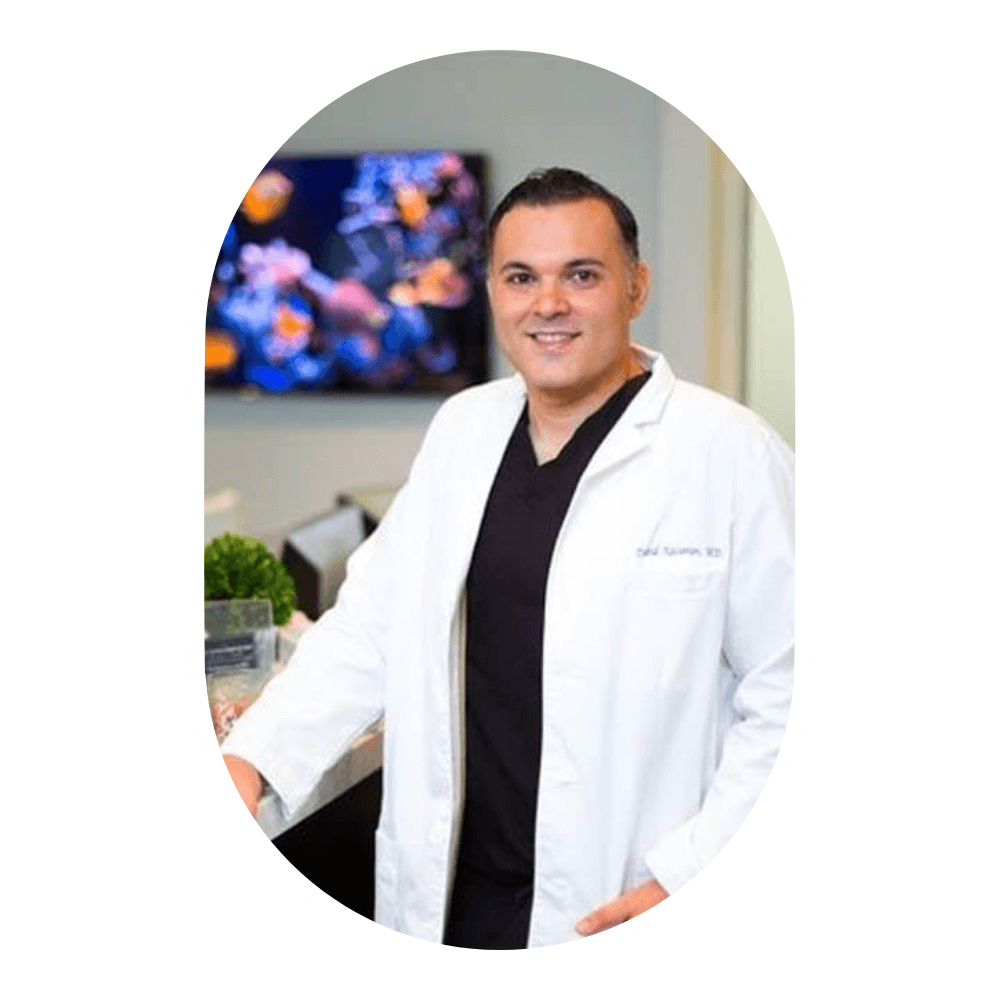
Board Certified in Internal Medicine and Specialist in Concierge Medicine & Executive Health. Dr. Nazarian practices Integrative Medicine with focus on preventative medicine, anti-aging, hormone replacement therapy and IV Vitamin optimizations. Dr. David Nazarian, received his bachelor of sciences from the University of Los Angeles, California in Psychology and Biology. He obtained his Medical Doctorate degree from Sackler School of Medicine. He completed his medical residency at Huntington Memorial Hospital, a University of Southern California affiliate hospital. Once completed, he established a practice in the heart of Beverly Hills. Dr. Nazarian is a Diplomat of the American Board of Internal Medicine. He has received numerous awards and recognition as a top doctor in his field.