We’ve all had those moments where a sudden headache, dizziness, or tingling sensation sends our mind racing: “Is this something serious?” It’s natural to worry, especially when symptoms involve the brain or blood flow. The truth is, many conditions that affect circulation to the brain develop silently over time, without dramatic symptoms.
A carotid artery ultrasound is one of the simplest, most reassuring ways to check how well blood is flowing to your brain. It’s quick, painless, and incredibly valuable for early detection of serious problems before they turn into emergencies. At MyConciergeMD in Beverly Hills, we use this test not just to diagnose issues but to give you clarity, confidence, and peace of mind. Carotid artery ultrasound has no harmful effects, making it a safe procedure for anyone concerned about their vascular health.
What the Carotid Arteries Do & Why They Matter
Your carotid arteries, located on each side of your neck, are the main highways that deliver oxygen-rich blood to your brain. When these arteries become narrowed or blocked resulting in arterial blockage, often due to plaque buildup—the brain receives less blood, increasing the risk of:
Stroke
Stroke or TIA symptoms
Dizziness, fainting, and headaches
Cognitive decline
Blocked carotid arteries can cause stroke or TIA symptoms, such as sudden weakness, numbness, or difficulty speaking.
A carotid ultrasound helps detect these issues early, long before they cause harm. In modern preventive care, especially in major cities like Los Angeles, this test is considered a cornerstone for protecting long-term brain health.
Understanding Carotid Artery Disease
Carotid artery disease develops when the carotid arteries the major blood vessels on each side of your neck that supply blood to your brain become narrowed or blocked. This narrowing is most often caused by plaque buildup, a process where cholesterol, fat, and other substances accumulate along the artery walls. As the arteries become more constricted, blood flow to the brain is reduced, raising the risk of stroke or a transient ischemic attack (TIA), sometimes called a “mini-stroke.”
Carotid artery disease is a serious form of cardiovascular disease, but it often progresses silently, without obvious symptoms. That’s why a carotid ultrasound is so valuable: this noninvasive procedure uses sound waves to create detailed images of your carotid arteries, helping your doctor detect plaque buildup and assess your risk of stroke before any damage occurs. Early diagnosis and monitoring are key to protecting your brain and overall health.
Risk Factors for Artery Disease
Certain risk factors make some people more likely to develop carotid artery disease. High blood pressure and high cholesterol are two of the most significant contributors, as they can damage the artery walls and accelerate plaque buildup. Smoking, diabetes, a family history of artery disease or stroke, and advancing age also increase your risk.
Lifestyle choices play a major role as well. An unhealthy diet, lack of physical activity, and obesity can all contribute to the development of carotid artery disease. By managing these risk factors, through lifestyle changes like eating a heart-healthy diet, exercising regularly, and quitting smoking, you can help protect your arteries and reduce your risk of serious complications. Your healthcare provider can guide you in making the best choices for your individual risk profile.
Ischemic Stroke Risk
Ischemic stroke is the most common type of stroke and occurs when blood flow to the brain is blocked, often by a blood clot or severe plaque buildup in the carotid arteries. Carotid artery disease is a leading cause of ischemic stroke, as narrowed or blocked arteries can significantly reduce the amount of oxygen-rich blood reaching the brain.
A carotid ultrasound is a powerful tool for identifying people at higher risk of ischemic stroke. By detecting plaque buildup and measuring how much the arteries have narrowed (a condition known as stenosis), this imaging test helps doctors assess your risk and take action before a stroke occurs. Early detection and treatment of carotid artery disease are essential for preventing neurological disorders and protecting your brain health.
Semaglutide Weight Loss Special Promotion $999
3 Month Supply of Best Compounded Semaglutdie Injection ( Ozempic, Wegovy)
Tirzepatide Weight Loss Special Promotion $850
1 Month Supply of Best Compounded Tirzepatide Injection ( Mounjaro, Zepbound)
Includes
Virtual or In Person Office Visit with MD & Nutritionist
Lab Orders To Evaluate Health & Optimize Deficiencies
Our physician may recommend this test if you have:
High blood pressure, high cholesterol, or diabetes
A history of smoking or a family history of heart disease or stroke
Symptoms like dizziness, fainting, blurred vision, or weakness
A carotid bruit (abnormal neck sound) detected during an exam
Previous stroke or TIA
Vascular disease in other parts of the body
Unexplained neurological symptoms
Presence of cardiovascular risk factors, such as high blood pressure, high cholesterol, or a history of coronary artery disease.
In the Los Angeles region, where lifestyle factors and stress-related conditions are common, this test is frequently used for early detection, preventive screening, and to assess cardiovascular risk in patients with these risk factors.
Carotid IMT Measurement
Carotid intima-media thickness (IMT) measurement is a specialized, noninvasive test that uses ultrasound to assess the thickness of the inner layers of your carotid artery walls. This measurement provides valuable insight into your risk of cardiovascular disease, including carotid artery disease and stroke.
A higher carotid IMT value indicates that the artery walls are thicker than normal, which is often an early sign of artery disease and a predictor of future cardiovascular events. When combined with Doppler ultrasound, carotid IMT measurement gives your doctor a clearer picture of your vascular health and helps guide decisions about prevention and treatment. Monitoring intima media thickness can be especially useful for individuals with multiple risk factors or a family history of cardiovascular disease.
Preparation for a Carotid Artery Ultrasound at My Concierge MD
No special preparation is required for carotid artery ultrasound, but our doctors recommend the following:
Wear a comfortable, loose shirt or top with an open collar.
Avoid heavy makeup, lotions, or oils on the neck area.
Continue your medications normally unless your doctor advises otherwise.
You can eat, drink, and go about your day as usual prior to the test.
What Happens During Carotid Artery Ultrasound at My Concierge MD
A carotid ultrasound is quick, painless, and usually completed in 15–30 minutes. Here’s what you can expect:
You’ll lie comfortably on your back with your neck slightly tilted.
An ultrasound technologist will apply a warm gel to your neck (this improves the transmission of ultrasound waves).
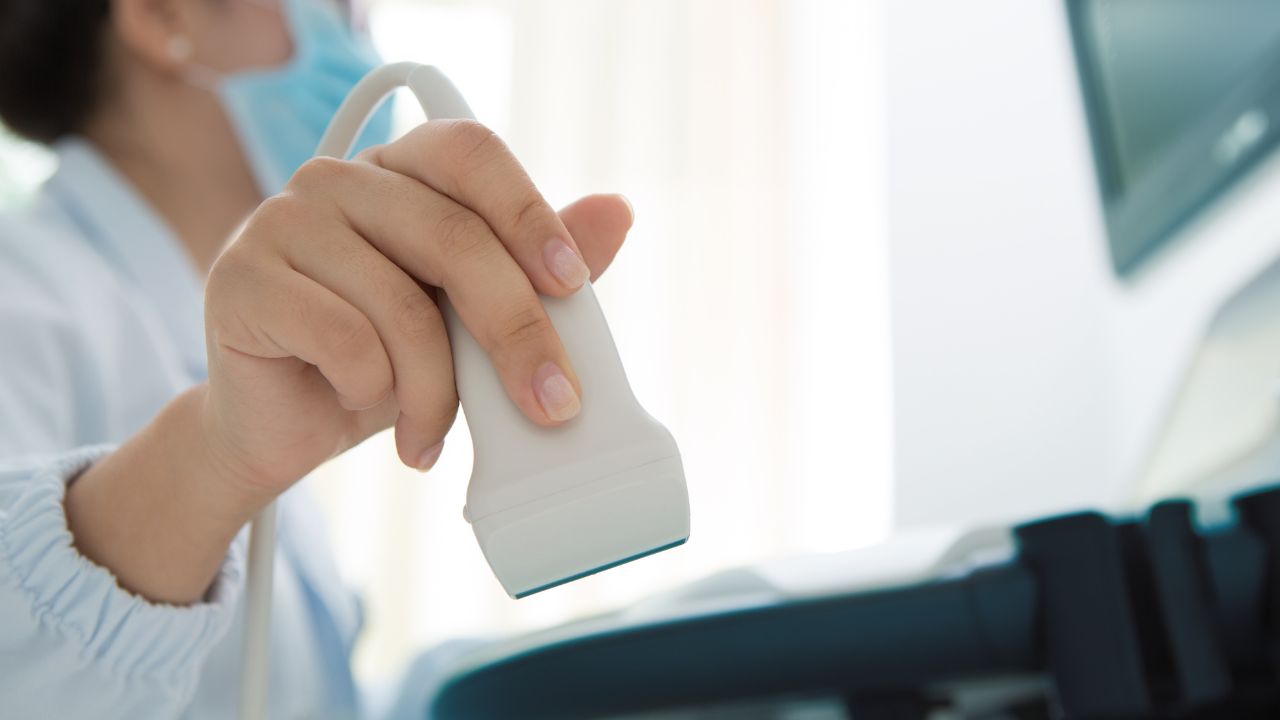
The technologist moves a small probe (transducer) along your neck. The probe emits high frequency sound waves (ultrasound waves) to create images of your carotid arteries.
Real-time images show your artery walls, plaque buildup, and blood flow.
There is no radiation, no needles, and no discomfort, just gentle pressure from the probe. Carotid ultrasound is one of several imaging tests used to evaluate blood vessels and assess for blockages or abnormalities.
Benefits of Carotid Artery Ultrasound
Early detection of stroke risk
Non-invasive and radiation-free
Immediate, real-time results
Ideal for preventive care
Safe for all ages, including older adults
Helps guide treatment for vascular disease
Valuable screening tool for the general population, including asymptomatic individuals
Widely recommended in vascular medicine for early detection and prevention of cardiovascular and stroke risk
Risks of Carotid Artery Ultrasound
There are no known risks. Carotid ultrasound is considered one of the safest diagnostic tests in medicine.
Difference Between Carotid Angiography and Carotid Ultrasound
Carotid Ultrasound
Carotid Angiography
Non-invasive, no radiation
Minimally invasive procedure using dye and X-ray
Uses sound waves
Uses contrast dye + imaging
First-line test for screening
Usually performed if severe narrowing is suspected
Completely safe and painless
Small risk of bleeding, infection, or allergic reaction
No recovery time needed
Requires monitoring after the procedure
In most cases, ultrasound is the first step, and angiography is used only when more detail is needed for surgery or stenting.
If ultrasound or angiography results are inconclusive or limited by anatomical factors, magnetic resonance angiography or magnetic resonance imaging may be used for further evaluation. These advanced imaging techniques can provide more precise visualization of arterial blockages and detailed assessment of plaque characteristics.
Duplex Carotid Ultrasound
A carotid duplex ultrasound is a noninvasive test that combines:
Traditional ultrasound imaging (pictures of the artery)
Doppler ultrasound (measures how fast and how smoothly blood is flowing)
This combination provides a detailed view of:
The thickness of the artery walls
Formation of plaque
Level of narrowing (carotid artery stenosis)
Risk of reduced brain perfusion
Doctors often prefer carotid duplex imaging because it offers a more comprehensive evaluation of stroke risk and vascular health.
In some cases, contrast enhanced ultrasound is used for a more detailed assessment of plaque characteristics, such as identifying vulnerable plaques and improving risk stratification.
Doppler Carotid Ultrasound
A Doppler carotid ultrasound measures how fast and how well blood is flowing through your carotid arteries. This is crucial for identifying:
Narrowing (stenosis)
Blockages
Turbulent or reversed blood flow
Plaque severity
It adds an essential layer of diagnostic accuracy, especially in patients with stroke risk factors.
Treatment Options for Carotid Artery Disease
Treatment for carotid artery disease is tailored to the severity of the condition and your overall health. For many people, lifestyle changes are the first line of defense, adopting a healthy diet, exercising regularly, and quitting smoking can help lower blood pressure, reduce plaque buildup, and improve blood flow to the brain.
Medical therapy may include medications to control blood pressure and cholesterol, as well as drugs to prevent blood clots, all of which help reduce the risk of stroke. In cases where the carotid arteries are significantly narrowed or blocked, procedures such as carotid endarterectomy (surgical removal of plaque) or angioplasty with stenting may be recommended to restore proper blood flow.
Your healthcare provider will review your test results and risk factors to develop a personalized treatment plan. Early intervention and ongoing management are key to preventing stroke and maintaining long-term brain and heart health.
Why Choose MyConciergeMD for Your Carotid Artery Ultrasound?
When it comes to evaluating blood flow to your brain, accuracy and compassion matter just as much as technology. A carotid ultrasound isn’t just another test, it’s an important step in understanding your stroke risk, your vascular health, and your long-term wellbeing. At MyConciergeMD, we take that responsibility seriously.
Here’s why patients across Los Angeles and Beverly Hills trust us with their carotid artery evaluation:
Expert internal medicine and cardiovascular clinicians perform and interpret your ultrasound with a deep understanding of stroke risk, plaque formation, and early vascular disease.
High-resolution duplex ultrasound technology provides detailed images of the carotid arteries, helping detect blockages, narrowing, or abnormal blood flow with exceptional precision.
A calm, patient-focused environment that helps ease the anxiety many people feel when testing for cardiovascular concerns. We explain everything in clear, simple terms never rushed, never dismissive.
Comprehensive risk assessment that goes beyond the scan itself, including family history, symptoms, lifestyle factors, and other cardiovascular markers. We follow American Heart Association guidelines for carotid artery screening and management to ensure the highest standard of care.
Fast scheduling and same-week appointments, so you can get answers quickly instead of waiting weeks at hospital-based centers.
Integrated continuity of care, meaning if follow-up testing, lifestyle guidance, or specialist referral is needed, we handle everything in-house and walk with you step by step. When necessary, we coordinate procedures to keep the artery open, such as stenting or surgery, with trusted specialists.
Results that are explained with empathy, ensuring you fully understand what the images show, what your risks are, and how we can support your health moving forward.
At MyConciergeMD, you’re not just undergoing a carotid artery ultrasound, you’re gaining a team committed to protecting your future, your brain health, and your peace of mind.
You Deserve The Best Protection – Give Yourself The Clarity You Need
If you’ve been experiencing dizziness, headaches, or simply want reassurance about your vascular health, a carotid ultrasound can give you life-changing answers.
Schedule your appointment with MyConciergeMD today and take control of your well-being before symptoms take control of you.
FAQs
How long does a carotid ultrasound take?
Most tests take only 15-30 minutes, and you can return to normal activities immediately. The scan is painless and non-invasive, making it an ideal screening tool for busy patients in Los Angeles who want fast, reliable results without downtime.
Can a carotid ultrasound detect all causes of stroke risk?
It detects the most common and preventable causes, including plaque buildup, narrowing, and abnormal blood flow. While it doesn’t evaluate every possible stroke cause (like heart rhythm issues), it provides crucial information for early prevention and long-term vascular care.
Is this test appropriate even if I don’t have symptoms?
Yes, many people with carotid artery disease feel perfectly fine until a major event occurs. If you have risk factors such as hypertension, smoking, diabetes, or family history, preventive screening can help reduce your stroke risk significantly.
Will insurance cover my carotid ultrasound?
Many insurance plans, including those common in Beverly Hills and all across LA, cover the test when medically indicated. Our team can help verify your benefits and provide transparent pricing if you’re paying out of pocket.
What happens if the ultrasound finds narrowing?
Your physician will review the degree of narrowing, assess your symptoms, and create a personalized plan. This may include lifestyle changes, medications, further imaging, or referrals to vascular specialists. The goal is early intervention to prevent future complications.
Author: David Nazarian, M.D.
Board Certified in Internal Medicine and Specialist in Concierge Medicine & Executive Health. Dr. Nazarian practices Integrative Medicine with focus on preventative medicine, anti-aging, hormone replacement therapy and IV Vitamin optimizations. Dr. David Nazarian, received his bachelor of sciences from the University of Los Angeles, California in Psychology and Biology. He obtained his Medical Doctorate degree from Sackler School of Medicine. He completed his medical residency at Huntington Memorial Hospital, a University of Southern California affiliate hospital. Once completed, he established a practice in the heart of Beverly Hills. Dr. Nazarian is a Diplomat of the American Board of Internal Medicine. He has received numerous awards and recognition as a top doctor in his field.