


Patients frequently ask how soon do doctors receive CT scan results. Generally, results can be available within a few hours in emergencies, a couple of days for routine scans, and up to a week for outpatient scans. The timeline can vary based on urgency, location, and complexity of the scan.
Key Facts
- CT scans typically take less than a minute to perform, but preparation can increase total time to 30-60 minutes.
- Results for routine scans are usually available within 2-3 days, while emergency results can come in a few hours, and hospital scans may be available the same day.
- The time delay in receiving results is primarily due to the detailed analysis required by radiologists to ensure accurate interpretations and diagnoses.
How Long Does a CT Scan Take?
The actual CT scan process is surprisingly quick, often taking less than a minute to perform. However, the preparation time can extend the overall duration to about 30-60 minutes. During this preparation phase, healthcare providers will give specific instructions, which may include changing into a hospital gown and removing any metal objects.
Once you’re ready, you’ll lie on a table that slides into the CT machine—a large, doughnut-shaped device. The table will slowly move through the rotating scanner, capturing detailed images of your internal organs, blood vessels, and bones from different angles. Compared to MRI scans, which can take up to an hour, CT scans are notably quicker than a cat scan.
Understanding the time commitment involved in a CT scan can help you manage your expectations and plan your day accordingly. Whether you’re scheduled for a routine scan or an emergency one, knowing the process can alleviate some of the anxiety associated with medical testing.
When Are CT Scan Results Available?
One of the most pressing questions after undergoing a CT scan is, “When will I get my results?” For routine screenings, you can generally expect to receive your CT scan results within two to three days. However, the timeline can vary depending on the urgency of your case and the availability of radiologists.
The timing for scan results can vary depending on the situation:
- In emergency situations, the process is expedited, and results can be available in just a few hours.
- For outpatient scans, the waiting period might extend to about a week.
- In a hospital setting, results are often available on the same day as the scan.
- The complexity of the case can also influence how quickly the results are ready.
Results are usually provided during a follow-up appointment with your healthcare provider. Some facilities also offer secure online patient portals where you can access your results. Understanding these timelines can help you manage your expectations and reduce the stress of waiting.
Why Do CT Scan Results Take Time?
You might wonder why it takes time to receive your CT scan results, especially when the scan itself is so quick. The answer lies in the meticulous process of interpreting the images. Radiologists play a crucial role in analyzing CT scans to ensure accuracy and prevent errors. This process involves careful scrutiny of the images to identify any abnormalities and make a diagnosis.
Radiologists often have numerous scans to interpret in a day, which can lead to delays as they aim to provide thorough evaluations. This careful analysis is essential to ensure that your healthcare provider receives accurate and detailed information, which is critical for your treatment plan.
The Role of Radiologists in Interpreting CT Scans
Radiologists are the unsung heroes behind the scenes, responsible for interpreting CT scans and identifying medical conditions. Their expertise as a radiologist is crucial in detecting abnormalities and making differential diagnoses based on the findings. Doctors and radiologists use advanced software and tools to analyze the data effectively, ensuring that no detail is overlooked.
The field of radiology is constantly evolving, with new imaging technologies and techniques being developed regularly. Radiologists must stay updated on these advancements to provide accurate diagnoses. Their role doesn’t end with the interpretation; they collaborate with other healthcare providers to ensure that the findings are communicated clearly and used to guide further medical decisions.
Understanding the critical role that radiologists play can give you a greater appreciation for the time and effort involved in delivering your CT scan results.
Factors Influencing Result Timelines
Several factors can influence the timeline for receiving your CT scan results:
- In emergency situations, results are typically available within a few hours.
- For outpatient CT scans, the waiting period can extend up to a week.
- Hospital scans often provide results on the same day they are conducted.
The complexity of the scan can significantly affect the time needed for results. More detailed analyses take longer as they require a thorough examination of the images. High volumes of scans at imaging centers can also lead to backlogs, impacting how quickly results are available. Additionally, the availability of radiologists is crucial; fewer radiologists can create delays in interpretation and result delivery.
Technical issues, such as equipment malfunctions or software problems, can create unexpected delays in obtaining scan results. Understanding these factors can help you better manage your expectations and reduce anxiety while waiting for your bad news test results to happen, especially if you need extra time.
Communicating CT Scan Results
The process of communicating CT scan results involves multiple steps and coordination among healthcare professionals. Radiologists typically send a written report to the referring physician, who then communicates the findings to the patient. This adds to the waiting time but ensures that the information is interpreted correctly and comprehensively.
Clear communication about scan results is crucial for patient understanding and decision-making. The referring physician plays a vital role in explaining the findings and discussing the next steps in the treatment plan. Radiologists provide detailed reports that guide further medical decisions and ensure accurate diagnosis and treatment planning. The doctor is essential in this process.
By understanding this communication process, you can better appreciate the effort involved in delivering accurate and helpful information about your health.
Understanding Your CT Scan Report
Interpreting a CT scan report can be daunting due to the medical jargon used. The report typically includes findings such as:
- Lesions
- Calcifications
- Nodules These describe abnormalities detected. The ‘impression’ section summarizes the key findings and may suggest further tests or imaging.
Terms like ‘hypodense’ and ‘hyperdense’ are commonly used. ‘Hypodense’ indicates an area that appears darker on a CT scan compared to surrounding soft tissues. ‘Hyperdense,’ on the other hand, refers to an area that appears brighter, suggesting it is denser than surrounding tissues. The Hounsfield scale is used to quantify tissue density, with water defined as zero units.
Understanding these terms can help you find sense of your CT scan report and have a more informed discussion with your healthcare provider.
Preparing for Your CT Scan
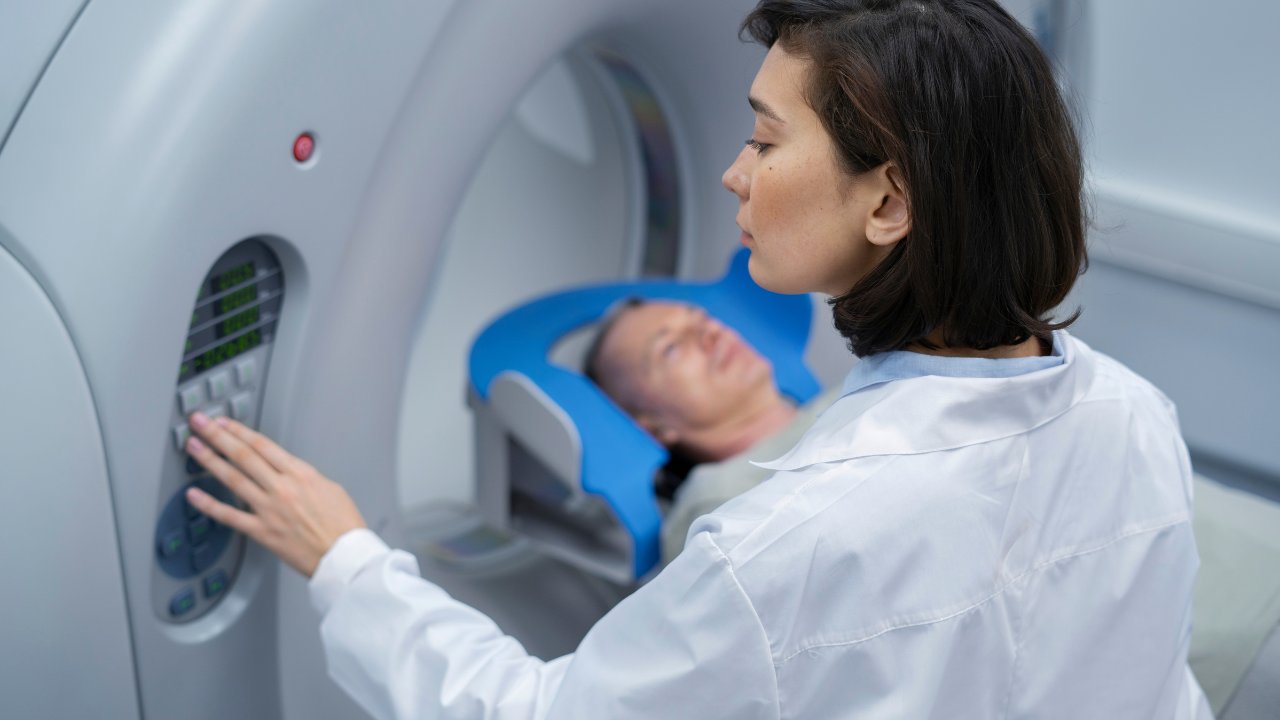 Proper preparation can make your CT scan experience smoother. For abdomen scans, consider the following:
- Fast for 4-6 hours before the procedure.
- Avoid liquids for two hours before the procedure.
- Wear a hospital gown.
- Avoid wearing metal items like jewelry or belts.
It’s advisable to clarify any specific instructions regarding diet or clothing, including the recommendation to wear comfortable clothing, with the imaging center prior to the scan. Additionally, inform the medical staff about any allergies you might have and your medical history, including any relevant image-related concerns regarding comfortable clothing.
Being well-prepared can help reduce experience anxiety and ensure a complete successful scanned scan that is found.
Post-CT Scan: What to Expect
After a CT scan, individuals can typically:
- Continue their regular diet and resume normal activities unless otherwise instructed by their healthcare provider. If you need to stop eating, be sure to follow your provider’s advice.
- If contrast material has been used, drink plenty of water to help flush it out of your system.
- Be aware that oral contrast may lead to gastrointestinal upset, such as diarrhea, after the exam.
Understanding what to expect post-scan can help you manage any side effects and ensure a smooth recovery process.
Addressing Concerns About Radiation Exposure
Radiation exposure is a common concern for many patients undergoing CT scans. However, CT scans are considered low-risk imaging procedures, utilizing low-dose ionizing radiation that adds only a slight increase to the natural incidence of developing cancer and associated possible risks. Specific protocols are in place, especially for pediatric patients, to minimize radiation exposure.
Patients may experience side effects from contrast dye, including skin rash, dizziness, headache, and nausea. It’s important to be aware of potential allergic reaction and to monitor the IV site for any signs of infection or adverse reactions after the scan. Addressing these concerns can help you feel more confident and at ease about undergoing a CT scan.
How long does a CT scan take?
A CT scan typically takes less than a minute, but you may need to allow 30-60 minutes for preparation. This ensures everything is set up correctly for the procedure.
When will I receive my CT scan results?
You can typically expect your CT scan results within two to three days for routine screenings, while emergency cases may yield results in just a few hours.
Why do CT scan results take time to be available?
CT scan results take time because radiologists must thoroughly analyze the images, and their workload can affect the speed of this process. Ensuring accurate interpretations is crucial for providing the best patient care.
What should I do to prepare for a CT scan?
To prepare for a CT scan, it’s essential to follow your healthcare provider’s specific instructions, which often include fasting and avoiding liquids prior to the procedure. This ensures optimal results for your scan.
Are CT scans safe concerning radiation exposure?
CT scans are generally considered safe due to the use of low-dose ionizing radiation and established protocols that minimize exposure. Therefore, while any medical procedure carries some risk, the benefits of CT scans often outweigh the potential risks associated with radiation.
Summary
Understanding the CT scan process, from preparation to receiving results, can significantly ease the anxiety associated with this essential diagnostic tool. Radiologists play a crucial role in ensuring accurate and timely interpretations, while various factors influence the timeline for receiving results. Being well-informed and prepared can make your CT scan experience smoother and less stressful.
Approach your CT scan with confidence, armed with the knowledge that it’s a crucial step in your healthcare journey. Remember, clear communication with your healthcare provider is key to understanding your results and planning the next steps in your treatment.
Schedule a Consultation at My Concierge MD
If you have questions about your CT scan or want to better understand your results, scheduling a consultation at My Concierge MD can provide personalized guidance and support. Our experienced healthcare providers are dedicated to helping you navigate your medical journey with clarity and confidence. Whether you need assistance interpreting your scan results, discussing treatment options, or managing follow-up care, My Concierge MD is here to help. Don’t wait. Take control of your health today by booking your consultation with us.
